
Recovery & Injuries · Intermediate · 3 min read
Foam Rolling: Does It Actually Help?
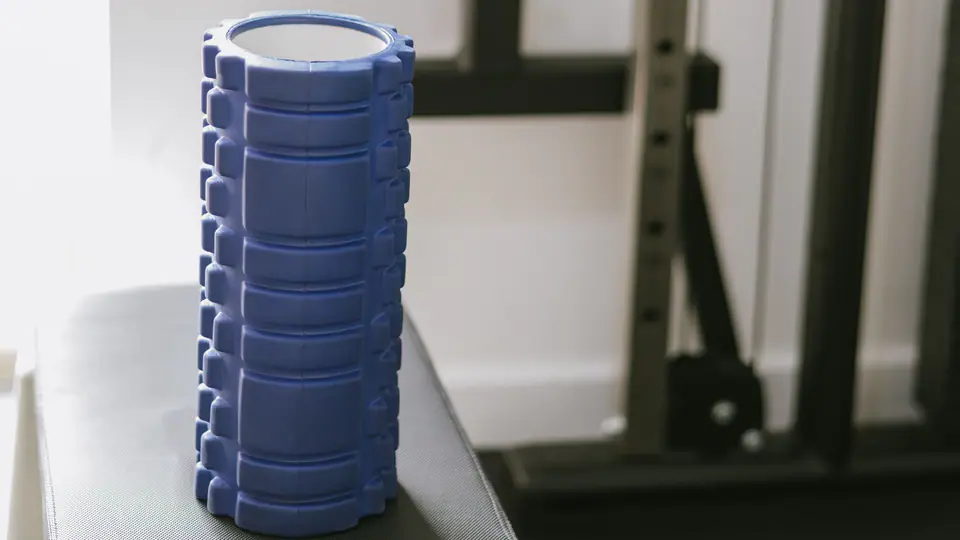
Foam rolling is everywhere: in warm-ups, cool-downs and every gym corner. It does help — just not in the way most people think. It will not break up knots or flush out toxins, but it can make you feel looser and less sore for a while, which is worth a few minutes when you use it well.
On this page
What foam rolling actually does
Research reviews find that foam rolling before exercise produces small, temporary improvements in flexibility — without the small drop in strength that long static stretching can cause. After training, it can slightly reduce perceived muscle soreness and help people feel recovered sooner.
Those effects appear to come mostly from the nervous system: pressure on the skin and muscle changes how the area feels and how much stretch it will tolerate. You are not physically flattening scar tissue or "releasing" the fascia — the tissue is far too strong for a foam roller to deform.
How to foam roll
- Pick the areas you are about to train or that feel stiff — quads, glutes, upper back, calves.
- Roll slowly, about one centimetre per second, for 30 to 90 seconds per area.
- Keep pressure at a tolerable level — around 5 to 7 out of 10 discomfort.
- Pause on tender spots for a few breaths, then keep moving.
- Finish by moving through the range you plan to train, for example a few bodyweight squats.
More pain does not mean more benefit. Rolling so hard you tense up or hold your breath defeats the purpose. Avoid rolling directly over joints, bones and the lower back.
Before or after training?
| Before training | After training or rest days | |
|---|---|---|
| Main benefit | Feeling looser, slightly more range | Feeling less sore |
| Duration | 30 to 60 seconds per area | 1 to 2 minutes per area |
| Effect on strength | None when kept short | Not relevant |
| Best paired with | A dynamic warm-up and ramp-up sets | Walking, easy mobility, sleep |
Before training, keep it brief and follow it with your normal warm-up — rolling is not a replacement for warm-up sets. See how to warm up and cool down. After training or on rest days, a few minutes can make soreness more manageable.
What it cannot fix
Foam rolling will not overcome poor sleep, too much training volume, poor technique or a genuine injury. If you are relying on it every day just to get through sessions, the problem is probably the program or your recovery, not a lack of rolling.
If pain is sharp, getting worse, or changes how you move, get it assessed rather than rolling harder. For recovery that actually moves the needle, start with muscle recovery and DOMS and sleep and muscle growth.
- Foam rolling gives small, temporary gains in flexibility and less perceived soreness.
- It works mainly through the nervous system, not by breaking up knots.
- Roll slowly for 30 to 90 seconds per area at tolerable pressure.
- Before training, keep it brief and follow it with a proper warm-up.
- It cannot fix poor sleep, excessive volume or real injuries.
Frequently asked questions
Does foam rolling break up knots?
Probably not in a literal mechanical sense. It more likely changes sensation, muscle tone and tolerance to stretch.
Should foam rolling hurt?
Mild discomfort is fine, but severe pain is not necessary and can make you tense up.
Is foam rolling better than stretching?
Before training it may be a better choice, because it improves range without reducing strength. Both can be useful; short dynamic warm-ups and ramp-up sets matter most.
Should I foam roll my lower back?
It is usually best avoided. Roll the glutes and upper back instead, and use gentle movement for the lower back.
Are massage guns better than foam rollers?
They seem to work in similar ways, with similarly small, short-term effects. Use whichever you prefer.
Related guides
Mobility and Stretching for Lifters
Mobility vs flexibility, whether stretching prevents injury, dynamic vs static stretching, and a simple mobility routine to lift better and move well.
Beginner · 3 min read
Muscle Recovery and DOMS: What Actually Helps
Muscle recovery explained: what DOMS is, how long muscles take to recover, and the recovery methods that actually work versus the ones that are overrated.
Beginner · 3 min read
Active Recovery: What to Do on Rest Days
Active recovery explained: what to do on rest days, how hard it should be, the best activities for lifters, and how to tell whether it is helping or hurting.
Intermediate · 3 min read
Injury Prevention for Lifters: Train Hard, Stay Healthy
How to prevent lifting injuries: smart load management, good technique, warming up, recovery, and knowing the difference between soreness and real pain.
Beginner · 3 min read
This guide is general educational information, not medical advice. Train within your ability and consult a qualified professional before starting a new program if you have an injury or health condition.